The past week in DevTools Feed has been dominated by the rapid evolution of AI and its integration into core development workflows, alongside significant shifts in cloud infrastructure and backend solutions. We’re seeing a clear trend towards AI becoming not just a coding assistant, but a co-architect, a deployer, and even an orchestrator of complex systems. The articles highlight a move from theoretical AI applications to tangible, production-ready solutions delivered at unprecedented speeds. Simultaneously, cloud providers and developers are grappling with the practicalities of cost, quality, and enterprise-grade management of these new AI capabilities.
Here are three predictions for what to watch closely next week:
1. Deeper Dives into AI Agent Orchestration and Standardization
The articles “AI Agents Talk: The Multi-Agent Orchestration Revolution” and “AI Agents Get a Standard: Arize & Google Cloud Mandate Telemetry” strongly suggest that next week will see a surge in discussions and practical implementations of multi-agent AI systems. We’ve moved beyond the novelty of solo AI agents to recognizing the power of swarm intelligence for tackling complex problems. Expect to see more real-world examples of how these orchestrations are being built, the challenges involved in managing inter-agent communication, and the critical importance of standardized telemetry for debugging and monitoring. The focus will likely shift from if multi-agent systems work, to how to effectively build and scale them within enterprise environments. This will also mean more pressure on platforms to provide robust tools for visualizing and managing these complex AI interactions.
2. Practical Cost-Benefit Analyses of Local vs. Cloud LLMs for Dev Tools
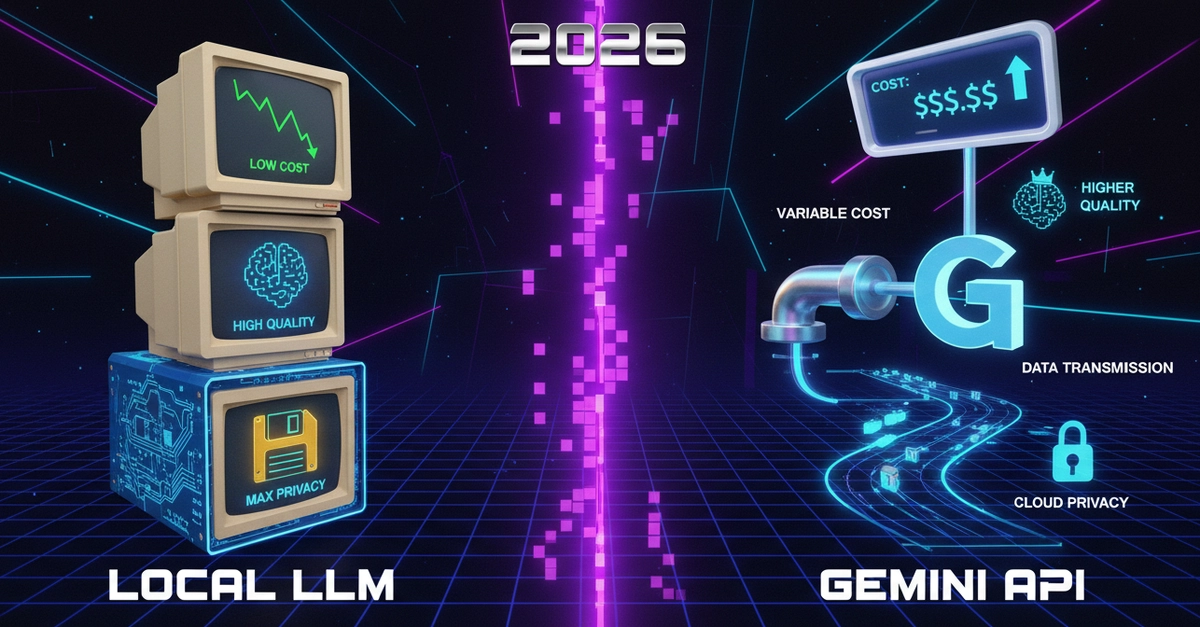
With articles like “Local LLM vs Gemini API: Real-World Dev Tool Costs & Quality [2026]” and the general trend of AI bots building production-ready code, the pragmatic side of AI adoption is coming to the forefront. Developers and organizations are no longer just experimenting with LLMs; they’re deploying them for real-world tasks and facing the associated costs and quality considerations. Next week, expect to see more detailed case studies, benchmarks, and opinion pieces comparing the economics of running LLMs locally versus utilizing cloud-based APIs like Gemini. This will likely involve discussions around infrastructure investment, maintenance overhead for local models, and the trade-offs in terms of performance, features, and scalability offered by cloud providers. The “forget the hype” sentiment suggests a growing maturity in how these tools are evaluated.
3. Continued Expansion of AI in Cloud and Backend Infrastructure Management
Articles such as “AWS Unleashes AI Agents” and “GKE Node Startup: 4x Faster, Cold Starts Vanish [Analysis]” point to a significant trend: AI is no longer just a user-facing application layer; it’s being deeply integrated into the foundational layers of cloud computing and backend infrastructure. Next week, we should anticipate further announcements and deeper analyses of how AI agents are being used to optimize cloud resource management, automate deployments, enhance security, and improve the performance of managed services. The focus will likely be on how these AI-powered infrastructure improvements translate into tangible benefits like reduced costs, increased reliability, and faster development cycles for end-users. This also ties into the “AI Shadows, Human Value” article, as sophisticated AI in infrastructure might necessitate new roles for human oversight and intervention.