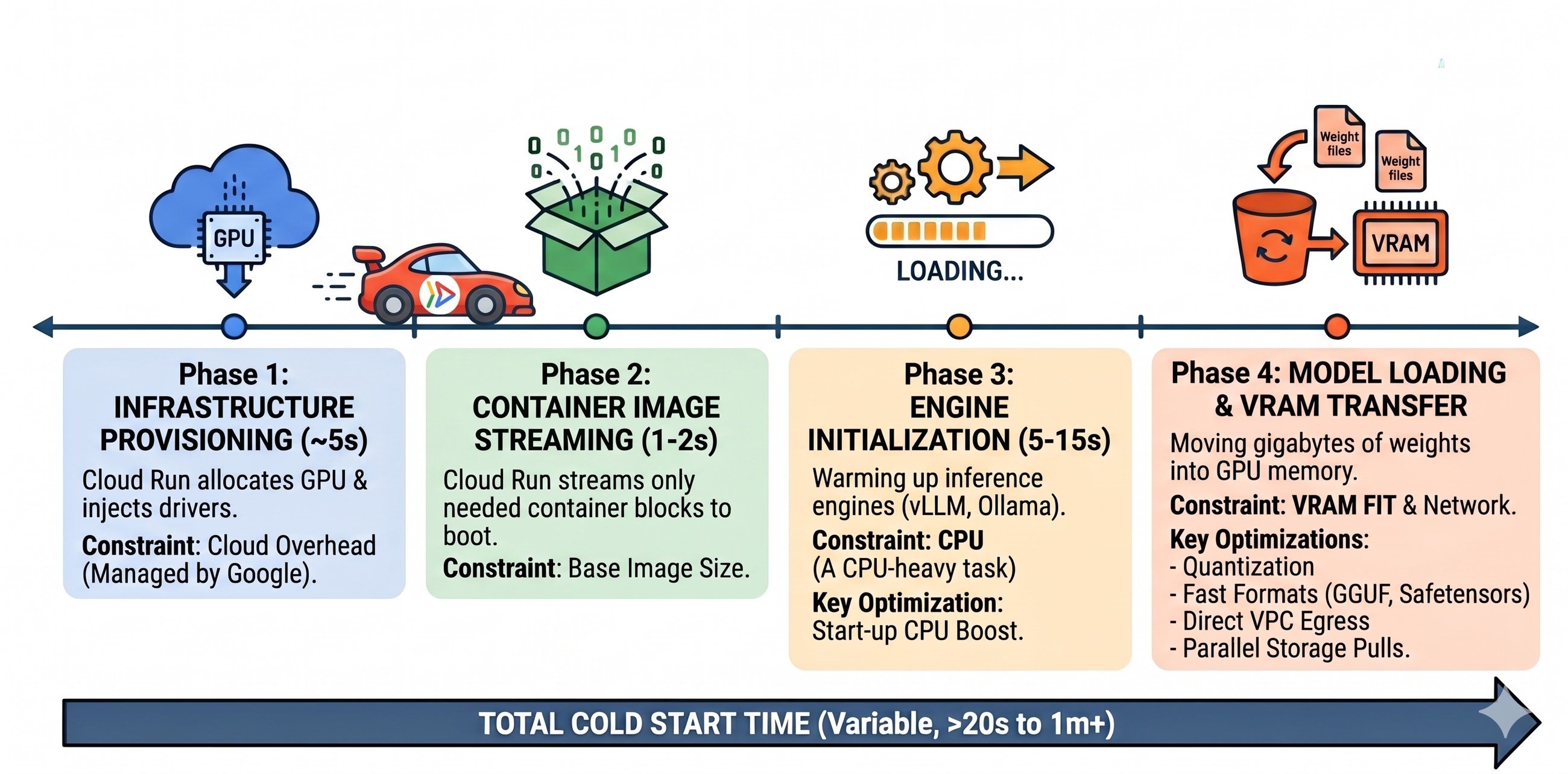
AI Cold Starts: Is Cloud Run Actually Sane? [20s Latency]
Twenty seconds. That's how long some developers are waiting for their AI models to wake up on Cloud Run. It's a frustrating pause, and frankly, a deal-breaker for many. Let's talk about why.
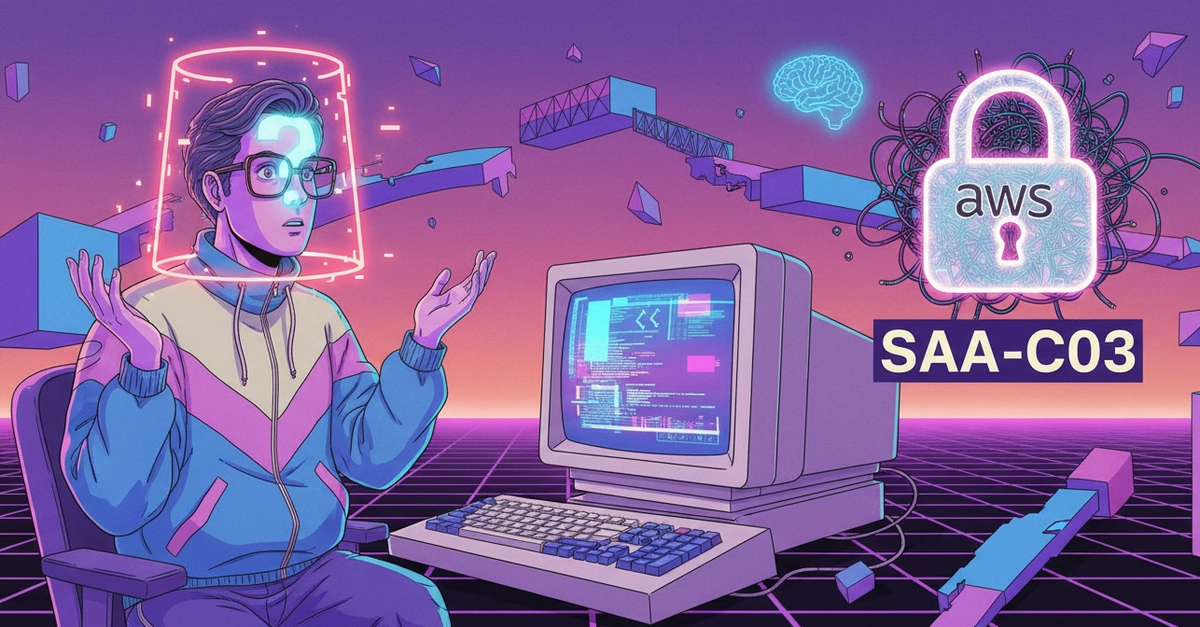
The AWS SAA-C03 certification exam is tripping up seasoned developers, not due to a lack of cloud expertise, but a fundamental misunderstanding of how the test operates. We break down the real reasons for repeated failure.
Docker's latest patch for the 'Copy Fail' kernel vulnerability, CVE-2026-31431, is less a silver bullet and more a cautious, imperfect band-aid.
Everyone's chasing AI code speed. But what happens when that code blows up in your face? The AC/DC framework offers a much-needed reality check.
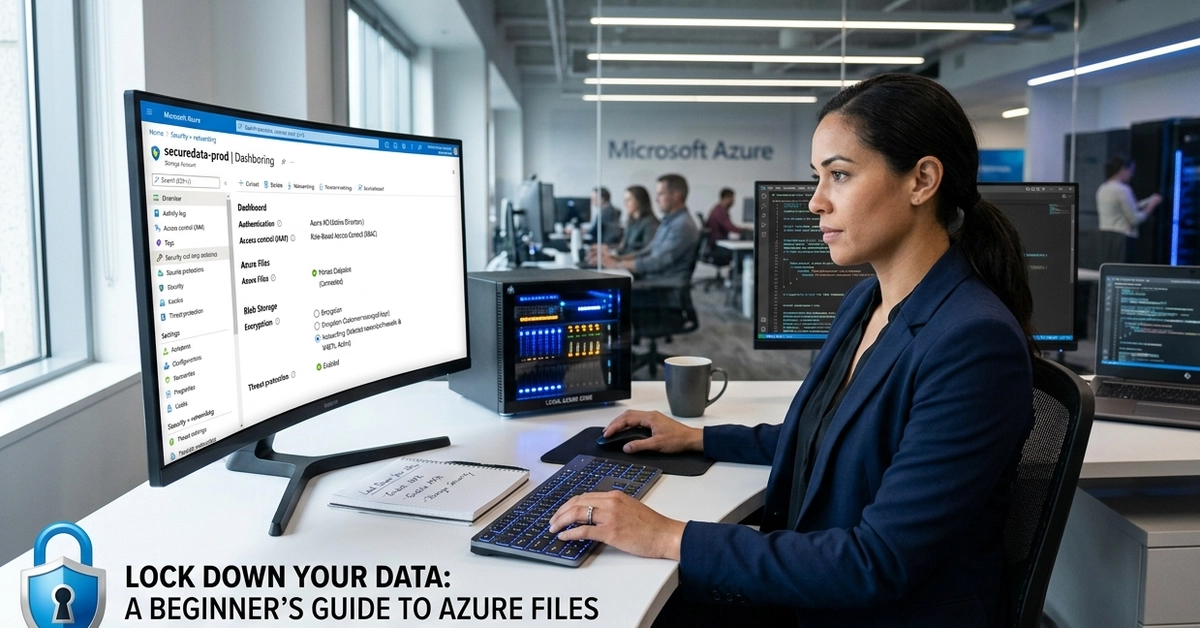
Accidental cloud data exposure is a persistent threat. This guide breaks down essential Azure Files security measures, offering a practical defense against misconfiguration.
Forget the hype. A single developer just shipped a functional AI tutor, proving complex stacks can be managed solo. This abacus-based learning tool offers a glimpse into pragmatic AI integration and lean infrastructure.
A single master login for your cloud resources? That's a recipe for disaster, as one fictional Nigerian food startup learned the hard way. Azure's IAM provides the critical controls.
Forget cloud bills for experimentation! This deep dive shows you how to craft a strong home lab with Proxmox and Terraform, paving the way for your own Kubernetes cluster.
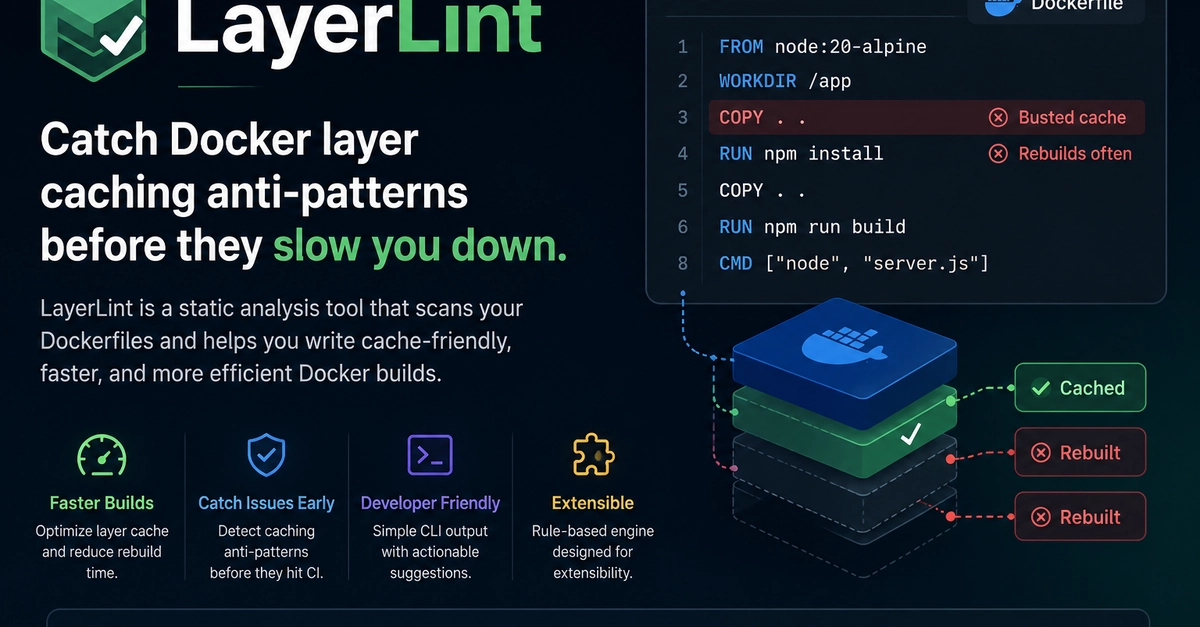
Ever watch Docker painstakingly reinstall 400 npm packages after a single line change? You're not alone, and it's likely your Dockerfile's fault.
Tired of cloud IDEs dictating your workflow? GnokeOps is here to tell you 'no.' It's time to host your AI party, not crash someone else's.
The gap between AI-driven code generation and safe production deployment is widening. Google Cloud's new AppLifecycle Manager Feature Flags aim to bridge that chasm with rule-based management.
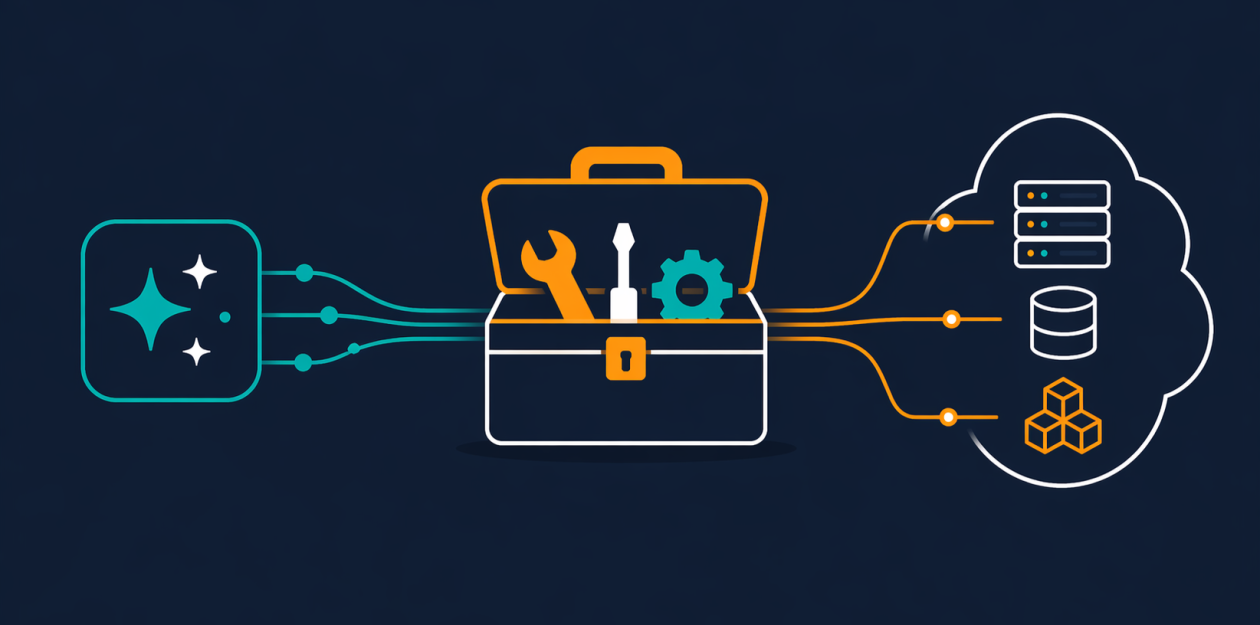
Finally, AI agents can stop fumbling in the dark when it comes to AWS. The AWS MCP Server is here to give them a secure leash.
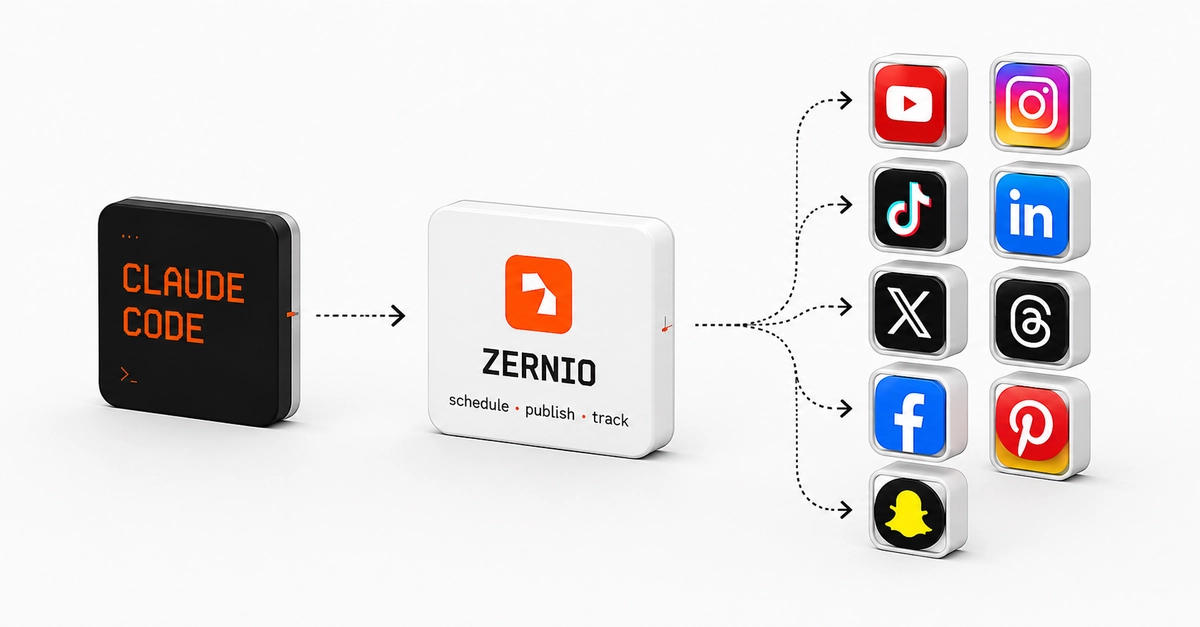
The agonizing crawl of manual social media posting might finally be over. A new integration use Claude Code and Zernio to automate content distribution, turning single prompts into multi-platform campaigns.
Terraform's default state management is changing. The long-standing DynamoDB requirement for state locking is now optional, with S3 handling the job directly. This move promises significant cost and complexity reductions, but the question remains: can it hold up under real-world, high-demand scenarios?
Forget endless Stack Overflow searches and cryptic error messages. Docker's new AI agent, Gordon, promises to untangle your container workflow, taking action and fixing problems with your approval.
Cloudflare's Matt Carey isn't just building tools; he's re-architecting how AI agents interact with the world. MCP, it turns out, might have been misunderstood all along.
Forget building your own data centers. Cloud computing isn't just a convenience; it's the bedrock of modern innovation, powering everything from AI to startups. This is your essential guide to understanding it, with a deep dive into AWS.
Terraform code is a map of your cloud's defenses. AI can help read it, but it can't replace your judgment. Here's how to use AI without sacrificing security.
Next week's tech landscape will be dominated by the continued rise of structured AI agents and their integration into development workflows. Simultaneously, expect an escalated focus on cybersecurity as AI's defensive capabilities mature and cloud intelligence deepens with advanced migration and performance tools.
Everyone's chasing the next shiny DevOps tool, but the basics? Environment design. It's overlooked. And it's costing teams a fortune in complexity and lost time.