So, India. Land of impossible exams, soul-crushing competition, and, apparently, a brand new AI chatbot designed to hold your hand through it all. The creators of Blossom — an Android app we’re told is for ‘student mental wellbeing’ — are pitching it as a private, always-available companion. Sounds lovely. But here’s the kicker: it runs Gemma, an AI model, entirely on your device. Offline. Private. Fast. They’re not just building another app; they’re talking about a significant shift in how students interact with technology for their well-being.
Who is actually making money here? That’s the perennial question, isn’t it? Right now, it seems like a passion project, born from the real, grim reality of academic pressure in India. The kind of pressure that leads to burnout, stress, and, tragically, worse. Blossom’s pitch is that it’s not a replacement for human support, but an always-on crutch. A digital confidante when the real ones are busy or unavailable. I’ve seen enough Silicon Valley pitches to know that ‘always-on companion’ is often code for ‘data collection engine,’ but here, the emphasis on on-device processing is genuinely interesting. They’re trying to sidestep the privacy concerns that plague cloud-based AI.
Does Offline AI Actually Help?
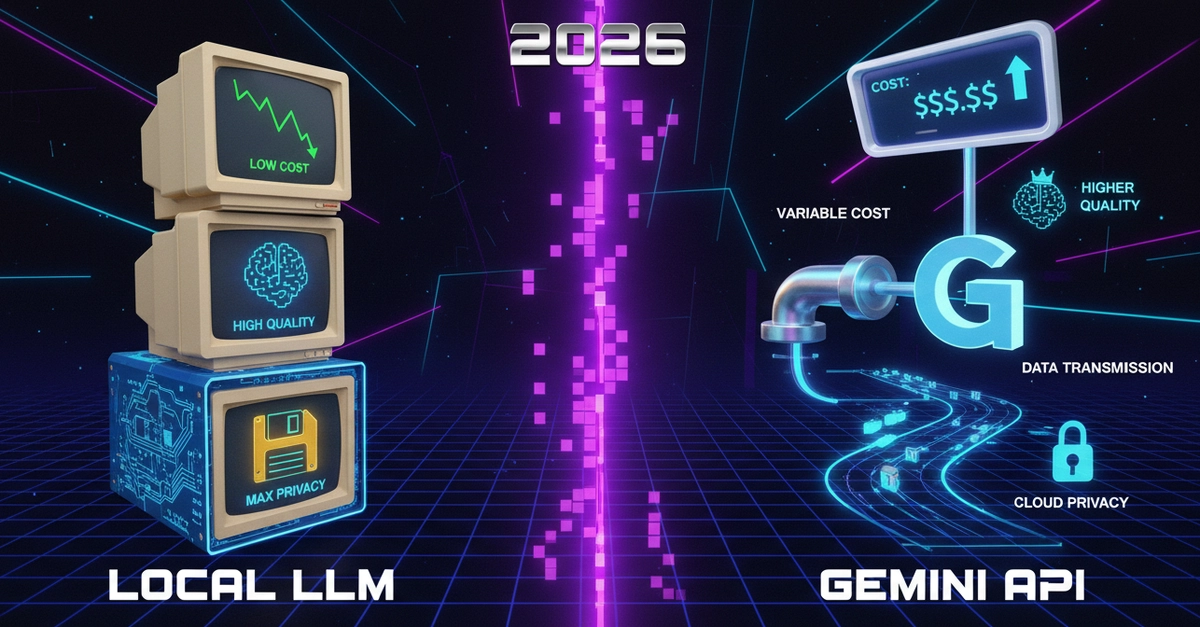
This whole offline, on-device AI thing? It’s not just a buzzword here. Running Gemma locally means no constant internet connection is required. That’s huge in places where connectivity can be spotty. It also means the conversations — reportedly about study plans, task management, and, yes, mental wellbeing — stay private. This is presented as a major win for students grappling with sensitive issues. They can vent, plan, and strategize without worrying about their data being slurped up by some distant server farm. It’s a novel approach to privacy in the age of ubiquitous cloud AI.
Blossom is not meant to replace real support systems, but to be something that is available anytime a student needs guidance, structure, or just a small check-in.
This quote is key. They’re positioning it as a supplement, not a substitute. And that’s a smart move. Because if they were claiming to replace therapists or counselors, they’d be setting themselves up for a tsunami of criticism. But as an always-accessible tool? Maybe. The app promises to combine study planning with wellbeing support, and the on-device Gemma assistant can apparently whip up routines and schedule tasks just by chatting. That’s… convenient. Or a slippery slope. Depends on your perspective.
Who Benefits Beyond the Student?
Let’s talk brass tacks. Who is funding this? Who’s getting rich? The project is presented as a submission for a ‘Gemma 4 Challenge.’ That suggests Google’s involvement, or at least a challenge hosted by them. This is classic Big Tech strategy: foster innovation, get developers experimenting with your AI models, and hope something sticks. If Blossom gains traction, it validates Gemma’s capabilities on mobile, pushing more developers to build with it. It’s a halo effect, pure and simple. The real money likely comes down the line: if Blossom becomes indispensable, who acquires it? Or does Google integrate its features into a larger suite? That’s the end game, isn’t it? For now, it’s about showcasing what their AI can do in a real-world, high-stakes context.
The technology itself sounds neat. LiteRT for efficient on-device inference, Gemma 4 E2B (instruction-tuned, naturally) for the brains, and offline Kokoro TTS for audible responses. It’s a technically solid package. The README is thorough, detailing build instructions and requirements, which is always a good sign for a dev-focused audience. You can gradlew clean to your heart’s content. They’ve clearly thought about the developer experience. But does a technically sound app automatically equate to genuine student wellbeing? That’s the million-dollar question.
My skepticism isn’t about the tech; it’s about the human element. Can an AI, however private and offline, truly understand the nuanced pressures of academic life? Can it offer comfort or structure in a way that genuinely makes a difference, or is it just a sophisticated digital pacifier? We’ve seen countless apps promise to solve mental health issues, often falling short. This focus on offline privacy is a genuine differentiator, and if it works as advertised, it could indeed offer a sliver of solace. But let’s not pretend this is a cure-all for the systemic issues driving student stress. It’s a tool, and like any tool, its effectiveness depends on the user, the context, and whether it’s just papering over cracks.
What’s the Catch?
There’s always a catch. For Blossom, it’s the inherent limitations of AI in addressing complex human emotions. While it’s commendable they’re focusing on privacy and offline use, the depth of support an AI can offer is still a significant question mark. It can generate plans, offer suggestions, and provide structure. But can it empathize? Can it truly understand a student’s despair? Probably not. The danger lies in students relying on Blossom instead of seeking human connection or professional help. It’s a fine line between a helpful companion and an isolating crutch. The creators are aware of this, explicitly stating it’s not a replacement, but user behavior is hard to control.
Will this AI replace academic counselors? Unlikely, and frankly, not the goal. It aims to fill the gaps, the moments between official appointments or when a student feels too overwhelmed to reach out. It’s about providing immediate, accessible assistance. The success of Blossom will hinge on its ability to be genuinely useful without overpromising. The on-device Gemma and offline TTS are impressive technical feats, but the true test will be in how many students find it a helpful addition to their lives, not a substitute for essential human support systems.
How does Blossom use AI?
Blossom uses an on-device Gemma 4 E2B model for core functionalities like generating study plans, providing focus suggestions, offering basic mental wellbeing guidance, and interpreting user commands for routine creation and scheduling. This allows for private, offline, and low-latency interactions.
🧬 Related Insights
- Read more: LLMxRay X-Rays LLMs: No More Blind Prompts
- Read more: Flutter Desktop Packaging: Spotube’s Inno Installer & Chocolatey Play
Frequently Asked Questions
Will this replace my therapist?
No, Blossom is explicitly designed not to replace human support systems like therapists or counselors. It’s intended as a supplementary tool for guidance, structure, and immediate check-ins during stressful moments.
Can I use Blossom without an internet connection?
Yes, a key feature of Blossom is its on-device AI powered by Gemma. This allows it to function entirely offline for most of its core features, including study planning and wellbeing support.
Is my data safe with Blossom?
Blossom emphasizes privacy by running its AI model entirely on the device. This means conversations and personal data generally do not leave the user’s phone, offering a secure environment for sensitive topics.