O1, O3-mini, O4-mini: Redefining Code Reviews
Forget pattern-matching code reviews. OpenAI's O1, O3-mini, and O4-mini think like engineers, tracing paths standard models miss. But cost and speed? That's the real battle.


Stuck guessing which Google Ads pay off? Your e-shop data's scattered across silos. One dev's AI fix lets you query it all naturally.
Imagine an AI that dies every half-hour, yet builds audience, ships posts, and evolves wisdom. Sami's file-driven memory system proves short-lived agents can outsmart bloated long-horizon rivals.
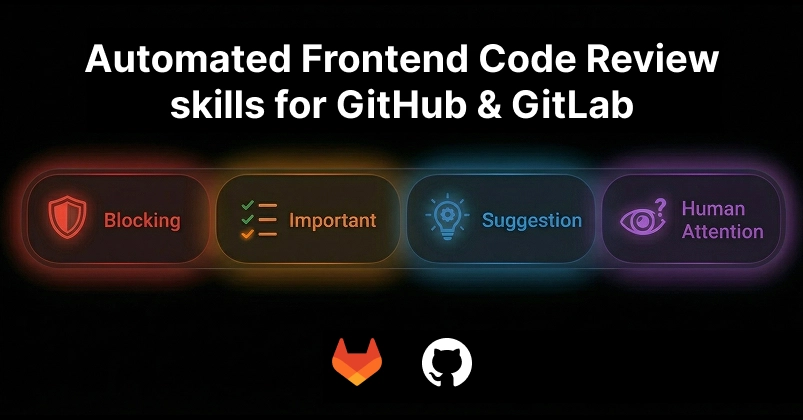
AI's churning out code faster than ever, but pull requests are drowning teams. An open-source AI skill steps in, extracting human review wisdom into modular checks that scale effortlessly.
Champagne stays corked. The AI coding war ends in a tie, forcing devs to rethink everything from subs to workflows.
Everyone figured AI hype would cool off after the first wave of demos. Instead, Big Tech's doubling down with record investments, weaving AI into code itself—while scrambling to plug safety holes.
Three months hammering production code with Cursor and Copilot. Cursor's multi-file predictions rewrote my workflow; Copilot clung to basics.
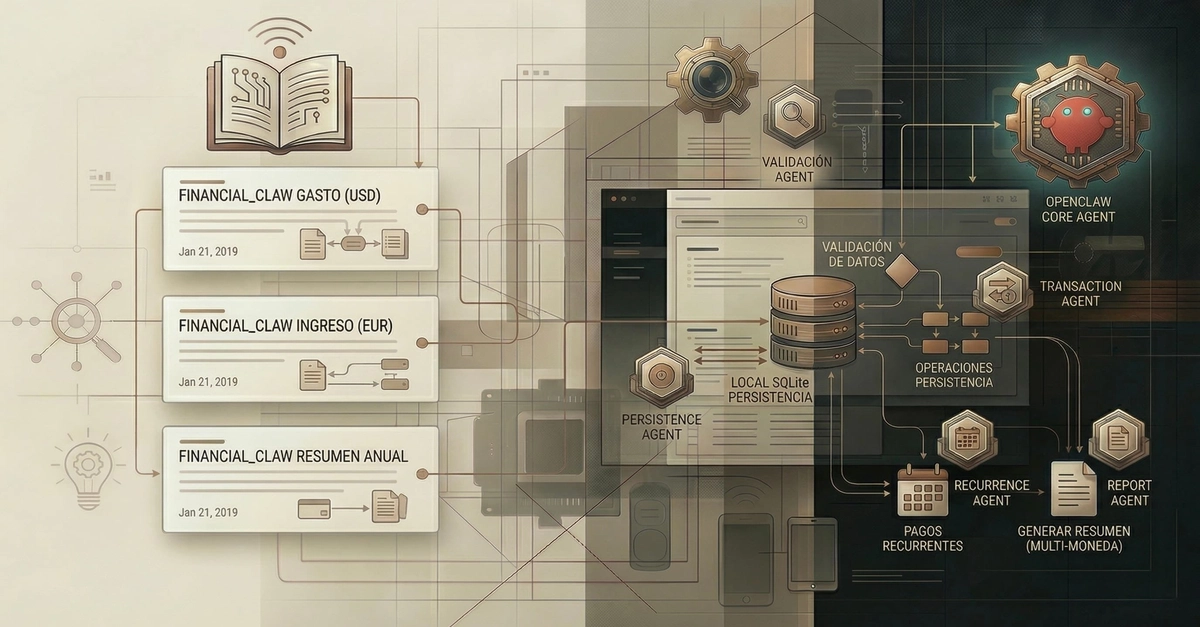
Everyone thought AI agents would revolutionize finance with chatty insights. FinancialClaw proves they're useful only when they ditch the improv and handle grunt work like logging expenses reliably.
Ninety minutes. That's the claim for whipping up a Claude-powered AI that nags you via Telegram. Sounds slick—until you poke at the cracks.
47 files. 8,000 lines of TypeScript. A slick 3D tracker for Artemis II, live in browsers worldwide—all from one afternoon's work. But it's not magic; it's a pipeline that forces AI to act like a real engineer.
Imagine training AI that learns from a handful of examples, seeing text and images at once—OpenAI's TBPN grab could make that real for your apps. Yet integration pitfalls loom large.
Forget clunky chat commands. Caramelo turns spec-driven development into a visual powerhouse right in VS Code, working with your favorite LLM.