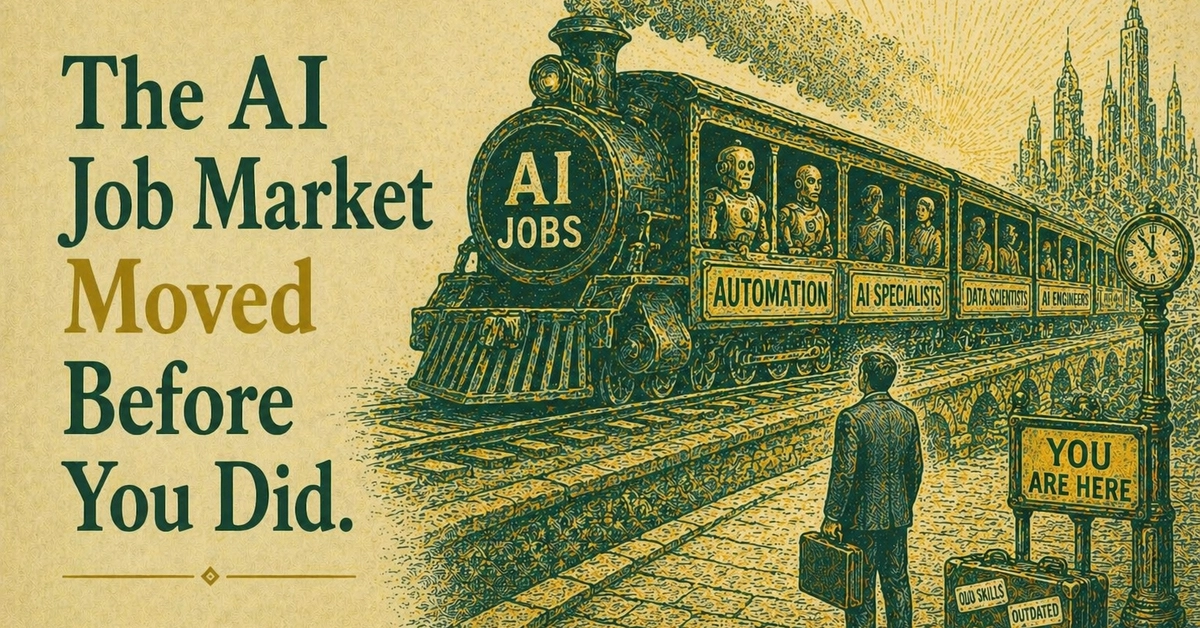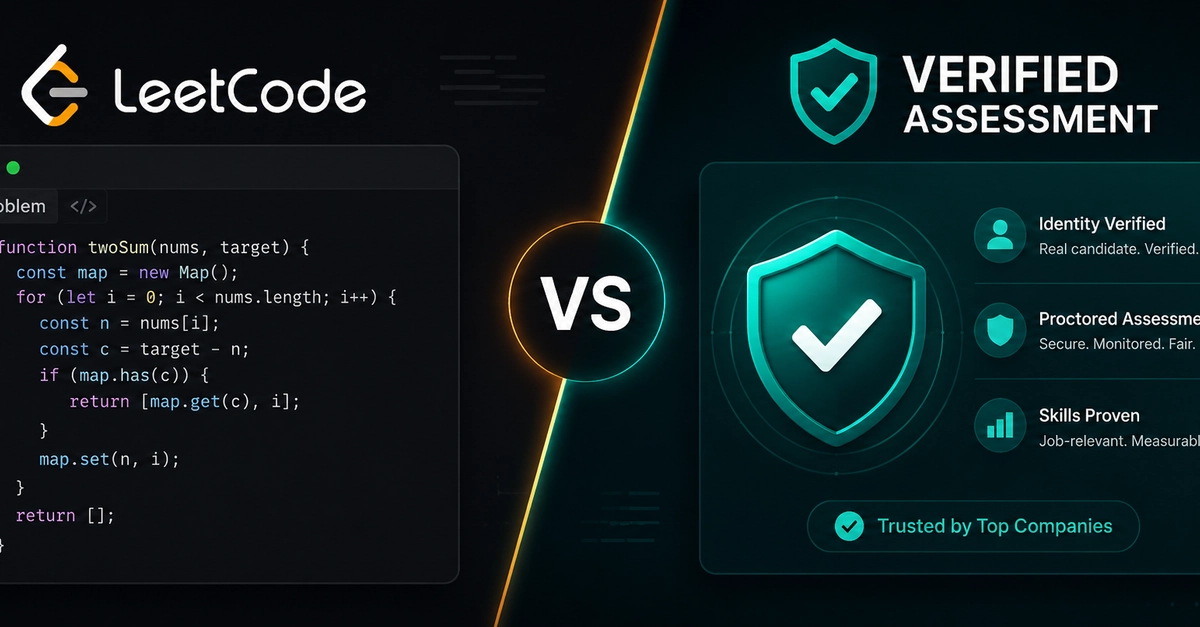
Is your LeetCode profile a golden ticket to your next dev job, or is it becoming a relic?
Developers, especially those fresh out of school, are hitting a wall. The hours spent mastering algorithmic puzzles, reversing linked lists in your sleep, and climbing leaderboards seem to be yielding diminishing returns. It’s not that these skills are suddenly irrelevant; it’s that the traditional signals of competence are no longer trusted. And frankly, that’s a problem with roots stretching back to when developers themselves first started believing that a perfect algorithm translated directly to a perfect employee.
Why are companies suddenly losing faith in the familiar stack of resumes, GitHub commits, and LeetCode streaks? The culprit, increasingly, is AI. Tools like Copilot, once hailed as productivity boosters, have also become sophisticated enablers of deception. Candidates can now use AI to breeze through take-home assignments or pad their contributions, making it harder than ever to discern genuine skill from generated output. The signal-to-noise ratio in technical hiring has plummeted, forcing a seismic shift in how companies evaluate talent.
The Truth About Demonstrating vs. Proving Skills
There’s a fundamental distinction that often gets blurred: demonstrating a skill versus proving it. A resume demonstrates expertise. A GitHub profile shows commits. But none of these conclusively prove that you, the candidate, are the author, that you can replicate that performance under duress, or that it translates to the messy reality of actual job tasks. This is the core of the problem that companies are now scrambling to solve.
This isn’t just about a candidate’s ability to solve abstract problems; it’s about trust. Companies are moving toward platforms that marry hands-on technical tasks with stringent proctoring layers. We’re talking webcam monitoring, tab-switch detection, AI behavior analysis, and session recording. The goal isn’t to create a stressful environment, but to imbue the resulting credential with genuine meaning, much like a verified driving license signifies a tested ability to operate a vehicle, not just a theoretical understanding.
Why Algorithm Puzzles Aren’t Enough for the Real World
Let’s be blunt: most developers don’t spend their days implementing Dijkstra’s algorithm or optimizing sorting routines. They’re debugging integration failures, navigating opaque codebases, reviewing pull requests, and building features under vague, evolving requirements. The LeetCode model, while valuable for foundational understanding, often fails to capture these crucial, applied skills. Companies are realizing that scenario-based assessments—like fixing a broken codebase or building a specified component within a time limit—are far more indicative of real-world job performance.
When these practical, hands-on tasks are combined with proctoring, you get a powerful combination: a realistic simulation of job duties, verified under conditions that make the outcome demonstrably trustworthy. This is the new frontier in developer evaluation, and it’s a necessary evolution in a market saturated with easily manipulated signals.
What Fresh Graduates Need to Know
For fresh graduates, the implication is clear: the old playbook is insufficient. Actively seek out employers and platforms that offer proctored assessments. Completing these independently and sharing the results as verifiable credentials can be a significant differentiator. A proctored Python assessment or a monitored hands-on lab result can remove doubt before an interview even begins, offering a tangible proof of competency that transcends a simple score.
Beyond syntax and algorithms, understand that effective skills assessments dive into problem decomposition, code quality, documentation habits, and time management under pressure. Preparing for these requires more than just grinding more problems; it means practicing under conditions that simulate real assessment environments.
This shift represents a significant trust reset in the hiring industry. As AI tools erode the credibility of traditional signals like resumes and self-assessments, a verified-credential model is emerging. It’s a move towards a more strong, certifiable framework—akin to established professions like medicine or law—but tailored for the dynamic needs of the tech sector.
This is, fundamentally, good news for developers who possess genuine, demonstrable skills. The signal-to-noise ratio is improving, and verifiable proof of competency is becoming the ultimate currency. The question now isn’t whether you can solve the problem, but whether you can prove that you can, under conditions that matter.