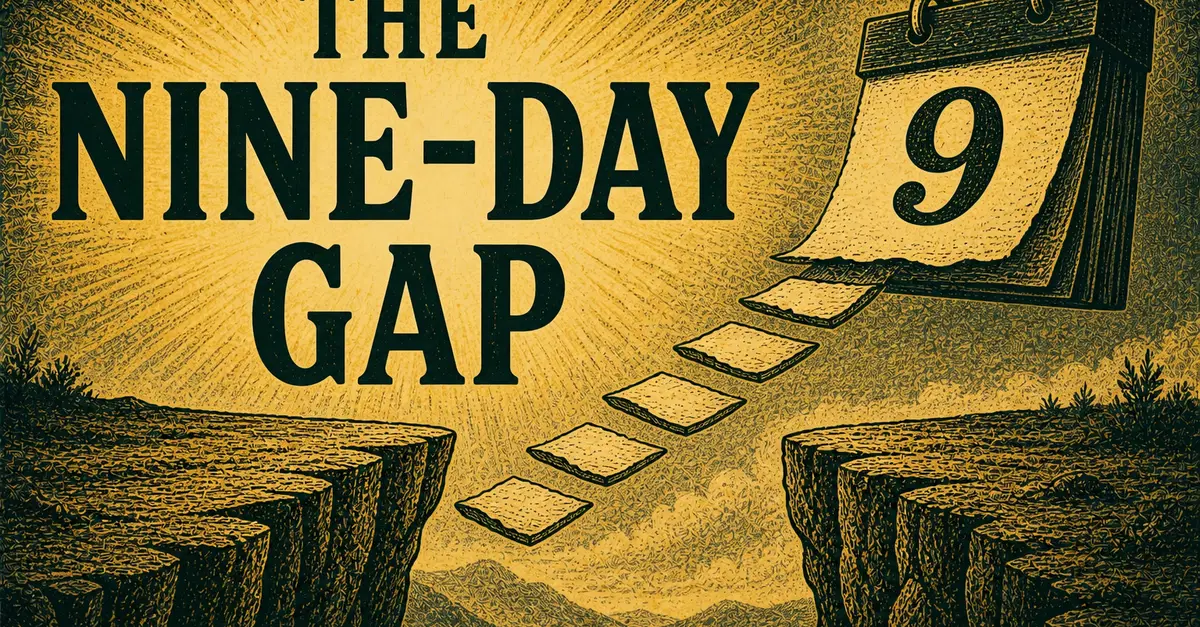
Look, what does this AI brouhaha actually mean for the folks cutting the checks, or the ones signing the invoices? It’s not some abstract threat of silicon overlords. It’s about the dirty, unglamorous reality of a nine-day difference on a client project timeline. That’s it. A gap. A simple, infuriating, financially significant gap.
Picture this: two invoices. One is for a two-day turnaround, the other? Well, it’s for eleven. The client signs the first one, money moves, no fuss. The second one gets… punted. Not because the work is bad, mind you. The work is close. Close enough that a casual glance wouldn’t blink. But that subtle sliver of ‘good enough’ versus ‘perfect’ suddenly lives not in the pixels, but on the calendar.
And here’s the kicker, the part the PR departments never want to admit: the professional who delivered in two days didn’t magically become a genius. They just stopped doing the grunt work that senior people used to spend hours on. The first drafts, the endless iterations, the formatting nightmares – AI is eating that alive. What’s left is the actual, human judgment. The stuff that takes years to hone. But the AI-assisted folks are freeing up time, and that time translates directly into a faster visible output.
Why Does This Matter for Developers?
This isn’t about a machine replacing your brain. It’s about your brain working smarter, and that difference becoming glaringly obvious to clients who have no dog in your internal process debates. For years, the mantra was ‘quality over speed.’ And for established relationships, that still holds some sway. A client who’s known you for a decade trusts your inherent value, and they’ll happily absorb that eleven-day invoice because they’re buying your history, your understanding, your specific brand of brilliance.
But what happens when you’re pitching for new business? When you’re up against another competent professional, and the client has zero history with either of you? They’re not looking at your GitHub stars. They’re looking at timestamps. They’re seeing who can deliver a polished, ‘good enough’ result two weeks faster. That nine-day gap isn’t a signal of dedication; it’s a signal of… something else. Something that makes them question whether you’re truly up to speed with the tools that are clearly impacting project timelines.
The signal is: this person has not changed anything since the last time you evalua
That quote from the source material hits the nail on the head. It’s not about working less; it’s about working differently. The judgement hasn’t been handed over; the time-consuming drudgery has. And for clients making decisions on limited information, that speed difference—that visible delta—becomes a powerful, if unspoken, indicator. It’s the subtle message that whispers, “I’m leveraging the latest tools to get this done efficiently.” Even if you’re still deep in thought about whether that efficiency actually equates to better work.
Who is Actually Making Money Here?
Let’s be blunt. The companies selling these AI tools are making a killing. They’ve tapped into a fundamental human desire: to be faster, to be more productive. And they’ve found a way to quantify it, not in lines of code, but in days on a calendar. For the professionals who are adept at integrating these tools, they’re potentially making more money by handling more projects, or by delivering that perceived speed advantage. It’s a win-win for them. The client gets a potentially faster turnaround, and the provider gets paid. The real question for practitioners isn’t if AI will impact their work, but how quickly they’ll adapt to ensure that their delivery time doesn’t become a liability.
This shift is subtle but profound. It means that the ‘method’ of work, once private, is now becoming legible through project completion times. And in a competitive market, that legibility can be the difference between landing the next big client or watching them sign with someone who’s already embraced the change. It’s not about the machine taking over; it’s about the nine-day gap becoming the new arbiter of professional relevance.
🧬 Related Insights
- Read more: Why Grafana Cloud and OpenLIT Are Your LLM Production Lifeline
- Read more: User Agent Rotation: Your Scraper’s First Line of Defense — and Why It’s Crumbling
Frequently Asked Questions
What is the “nine-day gap”?
The nine-day gap refers to the difference in project delivery time between professionals who have integrated AI tools into their workflow and those who haven’t, making the latter appear slower to clients.
Does this mean AI is taking developer jobs?
Not directly. The article suggests AI automates the time-consuming parts of a job, freeing up human judgment. The “gap” arises from those who adapt to this new workflow versus those who don’t.
Will clients always choose the faster delivery?
Established clients might prioritize trust and history. However, new clients or competitive pitches are increasingly using delivery speed as a visible signal of a practitioner’s efficiency and adaptation to new tools.