The promise of an event mesh—a decoupled, resilient system that fluidly orchestrates disparate services—sounds like a developer’s dream, a silver bullet for the chaos of microservices. For real people building and relying on these systems, it translates to faster load times, fewer frustrating errors, and ultimately, a smoother user experience. But what happens when the cure becomes part of the ailment?
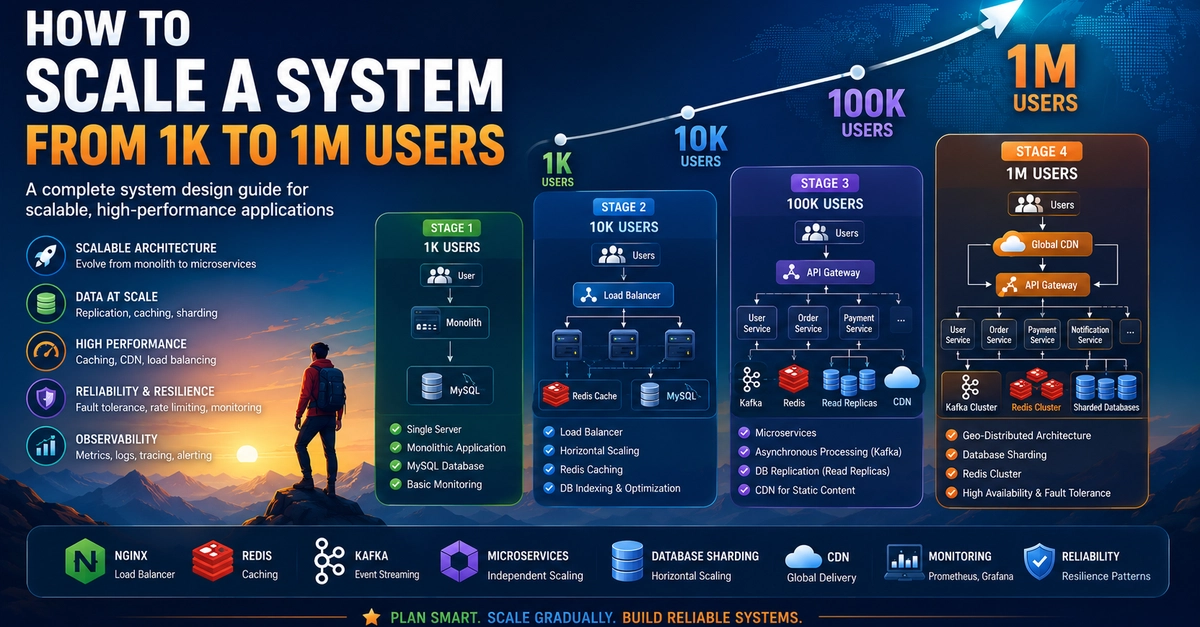
That’s precisely the quandary Veltrix encountered. Their monolithic behemoth, responsible for everything from orders to inventory, was buckling under peak loads, spitting out errors at a staggering 30-40% rate on critical pages. The logical leap was to an event mesh, a move aimed squarely at obliterating those failure rates. The tool of choice for their initial foray? Apache Kafka.
Kafka, with its reputation for blazing speed and scalability, seemed a natural fit. Yet, the reality of their e-commerce platform during rush hour quickly exposed Kafka’s less glamorous side. Specific configuration limitations, notably max.in.flight.requests.per.connection and replication.factor, became bottlenecks. The result? A rampant wave of request retries—a full 40% of transactions necessitated at least one re-attempt. This retry storm didn’t just bloat logs; it left their system in a state of disarray, evidenced by hundreds of messages languishing in dead-letter queues.
Is Kafka the villain? Not entirely. It’s a powerful tool, but its strengths lie in different use cases. When faced with Kafka’s limitations, Veltrix pivoted to RabbitMQ, specifically its QMF v3 implementation, which utilizes the AMQP 0-9-1 protocol. They engineered a ‘Request-Response’ event mesh, a design where each event had a corresponding response, creating a waiting period for confirmation of processing.
The immediate benefit was cleaner code. RabbitMQ’s asynchronous publish/subscribe model simplified the concurrency management that had plagued their Kafka implementation. Fewer threads, fewer connection pools, and, crucially, drastically reduced failure rates, plummeting to a much more palatable 2-5%. But there was a price.
The Latency Tax: A 50% Hike in Response Time
This shift to a more synchronous, albeit decoupled, pattern introduced a palpable latency. Veltrix measured an average latency increase of 20-30ms per request. When looking at the overall request.duration metric in New Relic, this translated to a 30-50% jump. Yes, the failure rate cratered by 70%, their dead_letter_queue became nearly empty, and max_retries dropped from a terrifying 40 down to a manageable 5. But the system now required longer timeouts to accommodate this new reality, which in turn cascaded into further adjustments for even their cache requests, pushing averages to 80ms.
This isn’t just an academic exercise; it’s a stark illustration of a fundamental trade-off. The pursuit of absolute reliability can inadvertently choke the very responsiveness that users expect. The perception of speed is often as critical as actual speed, and a system that feels sluggish, even if it’s technically failing less often, can be just as damaging to customer satisfaction and business metrics.
Why Does This Matter for Developers?
For developers on the ground, this experience underscores the peril of chasing buzzwords without understanding the underlying mechanics. The ‘event mesh’ is not a monolithically good or bad pattern; its efficacy is deeply tied to the specific workload and the chosen implementation. Kafka excels at high-throughput, append-only log streaming, ideal for event sourcing or building data lakes. RabbitMQ, with its message routing and queuing capabilities, is often better suited for traditional message queuing or, as Veltrix found, for managing request-response semantics in a distributed system.
Their retrospective insight is telling: the ideal solution might have been a hybrid. Imagine Kafka for the raw event ingestion and routing—the high-speed highway for messages—paired with RabbitMQ for managing those critical, state-dependent request-response interactions. Setting RabbitMQ’s delivery_mode to persistent and Kafka’s acks to 2 could have theoretically yielded that elusive sweet spot: a low-latency event mesh with failure rates below 1%. This nuanced approach, acknowledging the strengths and weaknesses of each technology, is the hallmark of mature engineering.
Ultimately, the Veltrix story is a potent reminder that in the complex world of distributed systems, there’s no universal ‘low latency’ solution. It’s always a negotiation, a careful balancing act between system stability, operational complexity, and the ever-present demand for speed. Developers must be armed with the data, not just the dogma, to make informed decisions that serve both the system and the end-user.
🧬 Related Insights
- Read more: Feature Flags and Progressive Delivery: Deploying with Confidence
- Read more: st-core.fscss: Pure CSS Trading Dashboards That Ditch JavaScript Entirely
Frequently Asked Questions
What is an event mesh? An event mesh is a dynamic, event-driven architecture that enables real-time data flow between applications and services, acting as a decentralized communication layer rather than a central broker.
Does Kafka always mean high latency? No, Kafka can achieve very low latency for specific use cases, particularly for streaming and log aggregation. However, certain configurations and specific transactional patterns can introduce higher latency, as Veltrix discovered.
Is RabbitMQ better for request-response than Kafka? RabbitMQ, with its AMQP protocol and message queuing features, is often more naturally suited for managing request-response patterns in a distributed system, allowing for explicit acknowledgments and easier handling of message delivery guarantees compared to Kafka’s log-centric approach.